




























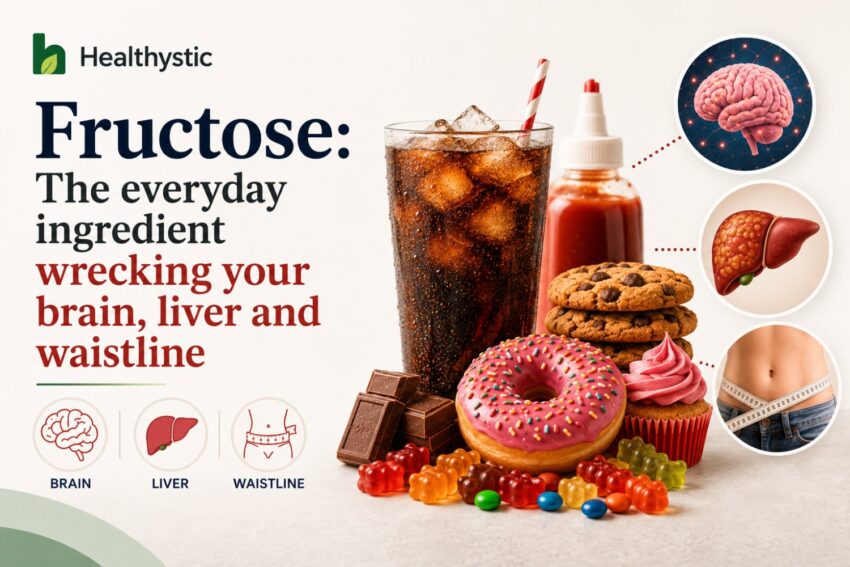

Fructose is everywhere. It’s naturally found in fruits and honey, but it’s also a major ingredient in soft drinks, desserts, breakfast cereals, sauces, and many ultra-processed foods. While fructose itself is not inherently harmful, health experts are increasingly concerned about the large amounts many people consume through added sugars.
A growing body of research suggests that excessive fructose intake, particularly from sugar-sweetened beverages and processed foods, may contribute to weight gain, fatty liver disease, and metabolic problems.
Newer studies are also exploring how it may influence appetite regulation and brain function. However, researchers caution that the evidence is more nuanced than headlines often suggest, and naturally occurring fructose in whole fruits should not be viewed the same way as added sugars.
What Makes Fructose Different?
Fructose is a simple sugar, much like glucose, but the body processes it differently.
While glucose is used by nearly every cell in the body, fructose is metabolized primarily by the liver. When consumed in moderate amounts, especially from whole fruits, the body can handle it efficiently. The concern arises when large amounts are consumed regularly through sugary drinks, sweets, and processed foods.
Unlike whole fruit, these foods often deliver concentrated amounts of fructose without the fiber that helps slow sugar absorption and promote fullness.
Why Excess Fructose Can Be Hard on the Liver
Because the liver handles most fructose metabolism, consistently high intake may increase the production of fat within the liver.
Over time, this process can contribute to non-alcoholic fatty liver disease (NAFLD), a condition in which excess fat accumulates in the liver. NAFLD has become one of the most common chronic liver diseases worldwide and is closely linked to obesity and type 2 diabetes.
That said, researchers emphasize that excess calorie intake is also an important factor. Current evidence suggests that fructose is most harmful when consumed in excess, particularly in high-calorie diets, rather than in normal amounts as part of a balanced diet.
The Link Between Fructose and Weight Gain
Sugary drinks are one of the biggest sources of added fructose in many diets.
Liquid calories are generally less filling than solid foods, making it easier to consume excess energy without feeling satisfied. Several studies have found that diets high in sugar-sweetened beverages are associated with increased body weight, abdominal fat, and elevated triglyceride levels.
Researchers believe this combination of excess calories and altered fat metabolism may partly explain why high consumption of added sugars is linked to obesity.
Could Fructose Also Affect the Brain?
Scientists are beginning to explore whether fructose influences the brain differently from glucose.
Recent research funded by the U.S. National Institutes of Health found that fructose and glucose activate hunger-related brain pathways differently in laboratory models. The findings suggest fructose may be less effective at signaling fullness, potentially encouraging greater food intake. While these studies do not prove the same effects occur in humans, they provide new clues about how different sugars may influence appetite.
Other research has raised questions about whether long-term high fructose intake could contribute to inflammation, insulin resistance, and changes associated with cognitive decline. However, experts stress that much more human research is needed before firm conclusions can be drawn.
Whole Fruit Is Not the Problem
One of the biggest misconceptions is that people should avoid fruit because it contains fructose.
Nutrition experts strongly disagree.
Whole fruits also provide fiber, vitamins, minerals, antioxidants, and water. Fiber slows the absorption of natural sugars, making fruit very different from sugar-sweetened drinks or processed snacks.
Large population studies consistently associate higher fruit consumption with better overall health and a lower risk of chronic diseases. Current dietary guidelines continue to encourage eating a variety of whole fruits as part of a healthy diet.
Cutting Back on Added Sugars Can Make a Difference
For most people, the goal is not to eliminate fructose entirely but to reduce added sugars from processed foods and beverages.
Simple steps include:
- Choosing water instead of sugary drinks.
- Eating whole fruit instead of fruit juices.
- Reading nutrition labels for added sugars.
- Limiting sweets, desserts, and ultra-processed snacks.
- Preparing more meals at home using minimally processed ingredients.
These habits can help reduce excess calorie intake while supporting metabolic and overall health.
The Bottom Line
Fructose is not the enemy. The real concern is the amount of added fructose many people consume through modern diets.
Current evidence suggests that excessive intake, especially from sugary drinks and ultra-processed foods, may increase the risk of fatty liver disease, obesity, and other metabolic conditions. Emerging research also indicates fructose may influence appetite and brain function differently from other sugars, although scientists are still working to understand these effects.
Rather than avoiding naturally sweet foods like fruit, experts recommend focusing on reducing added sugars while maintaining a balanced, nutrient-rich diet. As research continues to evolve, that remains one of the most practical strategies for protecting both metabolic and long-term brain health.
References:
- https://www.nih.gov/news-events/nih-research-matters/fructose-glucose-trigger-different-brain-responses
- https://www.nih.gov/news-events/nih-research-matters/how-high-fructose-intake-may-trigger-fatty-liver-disease
- https://pmc.ncbi.nlm.nih.gov/articles/PMC4135494/
- https://pubmed.ncbi.nlm.nih.gov/40297675/

Disclaimer: This article is for general informational and educational purposes only and is not a substitute for professional medical advice, diagnosis, or treatment. Always consult a qualified healthcare professional before making decisions about your health, including changes to your diet, exercise, supplements, or medications.